When was the last time you remembered a phone number without checking your contacts? Or found your way somewhere new without relying on Google Maps? Or even simply sat in silence, without instinctively reaching for your phone?
Technology has made life incredibly convenient. Almost everything we need is just a tap away, and over time that ease has quietly shaped how we live our daily lives. What once felt like a helpful tool has slowly become something we rely on without even thinking.
And that leads to a question we rarely stop to ask:
Have we become too dependent on technology?
In many ways, technology has removed friction from our lives. It allows us to get things done faster, communicate instantly, and access information within seconds. Naturally, we choose convenience whenever it is available. But the more we choose convenience, the less we practise doing things on our own.
You might find yourself using GPS to get to a place you have already visited multiple times, simply because it feels easier than recalling the route. You might open your calculator to work out something simple, even though you could have done it mentally with a bit more effort. These decisions seem small, almost insignificant, but they happen repeatedly throughout the day.
Over time, what was once a choice becomes a habit, and eventually, it becomes the default way of doing things.
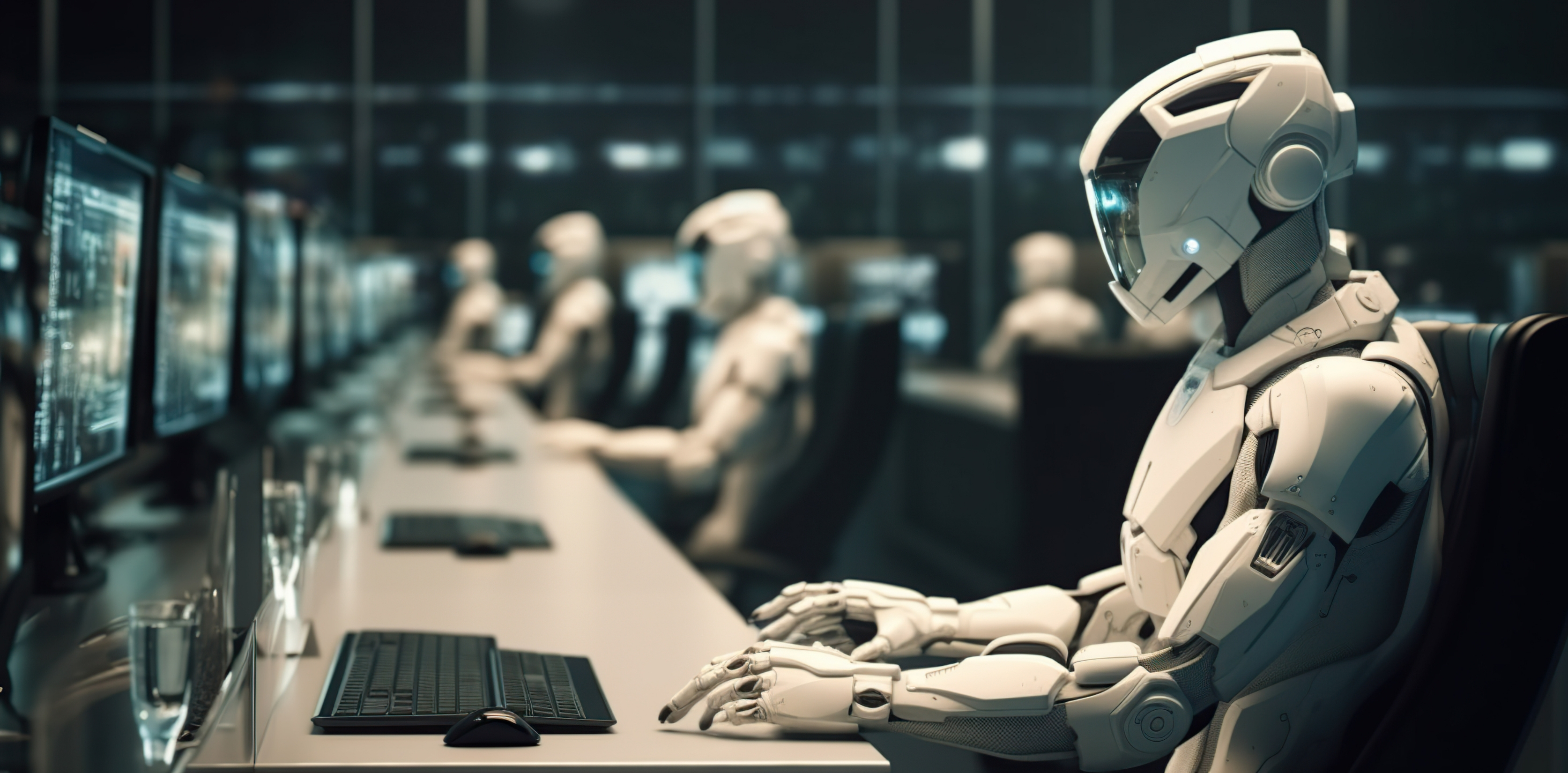
Technology doesn’t just support us; it has started to take over functions we used to manage ourselves.
We no longer memorise information the way we used to, because we know we can always retrieve it later. Phone numbers, important dates, and even simple facts are stored somewhere else, ready to be accessed whenever needed. Navigation is no longer something we actively think about, because we trust GPS to guide us through the journey. Even decision-making is increasingly influenced by algorithms that suggest what we should watch, buy, or pay attention to.
For example, instead of choosing a movie based on what you genuinely feel like watching, you might scroll through recommendations until something catches your attention. The decision feels like yours, but it is often shaped by what is being shown to you.
Slowly, we are shifting from actively doing things ourselves to passively relying on systems to do them for us.
Dependence is often invisible until something disrupts it.
Imagine your phone battery dies in the middle of the day, and you realise you forgot to bring your portable charger. Suddenly, simple tasks feel more difficult than they should. You might struggle to contact someone without your saved contacts, or notice how often you instinctively reach for your phone out of habit.
Even something as routine as making a payment can become a challenge. Many people today rely heavily on mobile payments like Apple Pay, Google Pay, or PayNow. In Singapore, digital payments have become so widely adopted that carrying cash or even a physical card is no longer a habit for many. If your phone is unavailable, you might suddenly find yourself unable to pay—not because you lack money, but because you no longer carry the means to access it.
With payment methods now seamlessly integrated into phones and even smartwatches, the need to carry a wallet has quietly faded for many people.
It is not that we are incapable of functioning without technology, but there is a noticeable discomfort when it is not available. That discomfort reveals how deeply integrated it has become in our routines.
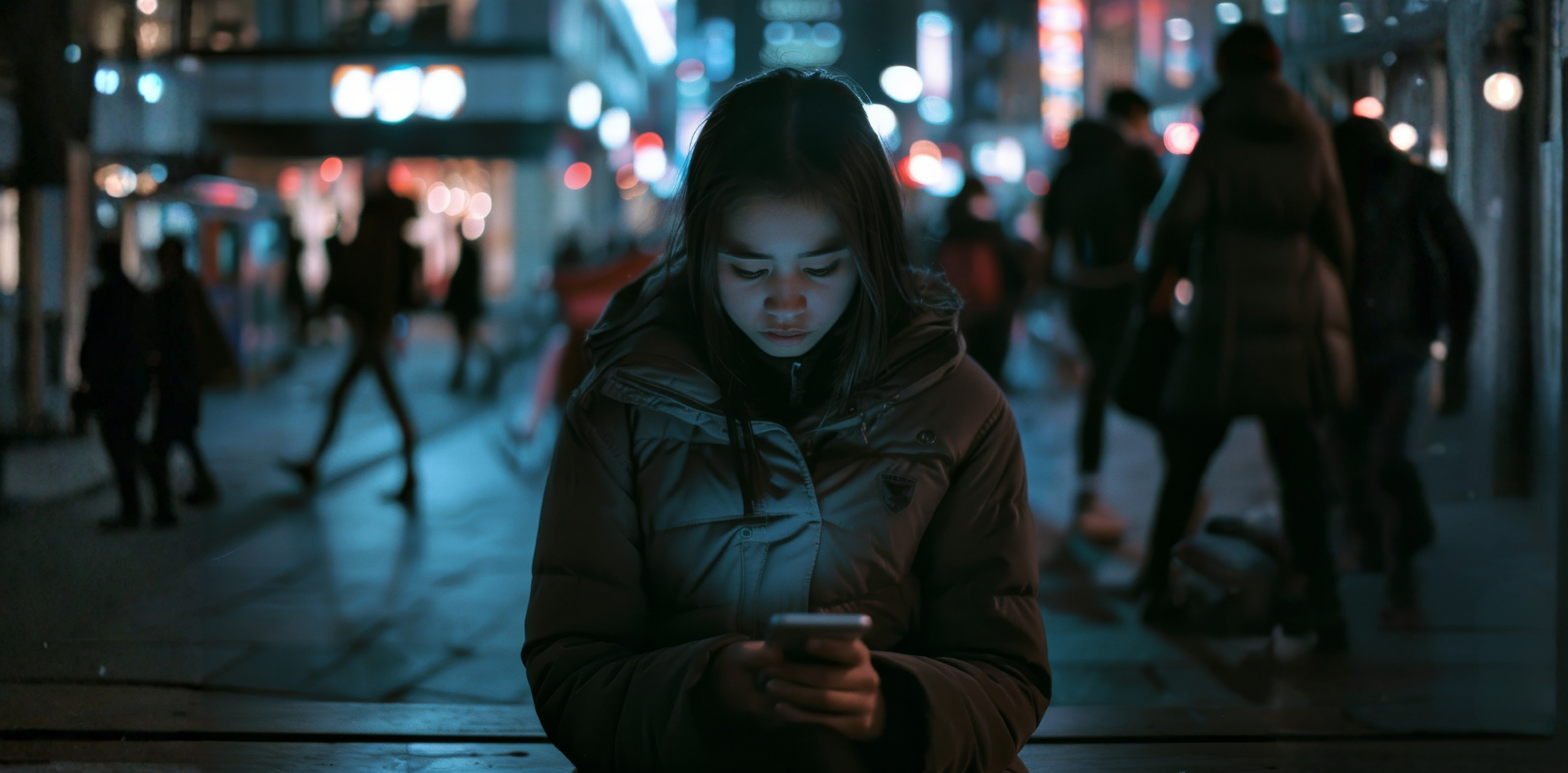
Another subtle shift is how technology has filled almost every moment of pause in our lives. Whether it’s waiting in line, sitting on public transport, or taking a short break, these moments are now replaced with scrolling, tapping, and constant stimulation—instead of being alone with your thoughts.
Without realising it, we have reduced the amount of time we spend thinking, reflecting, or simply observing the world around us. Even a few seconds of boredom can feel uncomfortable, because we are so used to having something to engage with immediately.
Technology has not just made us more connected; it has made us less comfortable with stillness.
The most interesting part is that this level of reliance does not feel extreme. It feels normal, because it is shared by almost everyone.
We live in an environment where constant connectivity is expected, instant responses are the norm, and information is always within reach. Because of that, it becomes harder to recognise when reliance turns into dependence.
You might notice it in small ways, such as reaching for your phone without a clear reason, feeling slightly anxious when you do not have access to it, or finding it harder to focus without switching between multiple sources of input.
You might also notice how easily you get distracted. You unlock your phone to do something specific, but instinctively open apps you frequently use, like TikTok or Instagram. Within seconds, you forget what you originally intended to do. These are not dramatic changes, but they are telling.
Perhaps the question is not whether we use technology too much, but whether we are still in control of how we use it.
Technology is not inherently a problem. It has transformed the way we live for the better in many ways, making things more efficient, accessible, and connected. However, the more we rely on it without awareness, the more it begins to shape our behaviours, habits, and even our thinking patterns.
This is not about rejecting technology or avoiding it entirely. That would not be realistic, nor is it necessary.
Instead, it is about being more intentional. It might mean trying to recall information before searching for it, choosing to navigate a familiar route without assistance, or allowing yourself to sit through small moments of boredom without immediately filling them. These small actions help rebuild a sense of independence that is easy to lose.
Technology was designed to make life easier, but it was never meant to make us feel lost without it.
Enjoyed the article? Follow us on LinkedIn for more updates and insights!
Click here to read more of our articles!
Image Source: Freepik
.png)